Moving to Katy, Texas in 2026: What Buyers Should Know Before Choosing a Home

Moving to Katy, Texas in 2026
Moving to Katy, Texas in 2026 can make sense for buyers who want access to the Houston metro while taking time to compare lifestyle fit, commute patterns, property taxes, home layout, and long-term plans. Katy is located 30 miles west of Houston and is the hub of Harris, Waller, and Fort Bend counties, according to the City of Katy.
For many buyers, the move is not just about finding a house. It is about choosing a home that supports the next chapter with less confusion and more confidence. Katy offers access to major roadways, public parks, local services, retail areas, dining, and a wide range of residential settings, but the right fit depends on your goals, budget, and daily routine.
Should You Buy a Home in Katy, Texas in 2026?
Where Is Katy, Texas?
Katy is located about 30 miles west of Houston and serves as a hub for Harris, Fort Bend, and Waller counties, according to the City of Katy. That matters because buyers may see two homes with a Katy address that fall under different county, tax, school, HOA, MUD, or city service boundaries.
Before choosing a home in Katy, buyers should review county and city boundaries, property tax rate, HOA fees, deed restrictions, MUD or utility district costs, school zoning, commute routes, flood history, flood zone information, insurance needs, future road plans, and recent comparable sales. A listing may look like a fit online, but the details around the property can affect monthly cost, daily routine, and long-term resale considerations.
Why Are Buyers Moving to Katy, Texas?
Buyers often consider Katy because it offers access to Houston employment centers, local amenities, parks, schools, medical services, shopping, dining, and a range of home options. The City of Katy lists public parks and facilities including Katy Dog Park, Harvest Plaza, MKT Railroad Depot and Park, Thomas Park, Town Park, Veterans of Foreign Wars Park, and Woodsland Park.
For relocating buyers, this variety can be helpful. Some buyers want a home with more room to gather. Others want a lower-maintenance layout, a single-story home, or a location that keeps them close to everyday conveniences. Katy gives buyers several ways to think through those priorities without relying on assumptions.
What Should Relocating Buyers Know Before Moving to Katy?
Relocating buyers should know that “Katy” can mean the City of Katy or the broader Greater Katy area. This distinction matters because property taxes, commute routes, school zoning, utilities, HOA rules, and resale patterns can vary from one area to another. The Katy Area Economic Development Council states that the Katy area footprint includes portions of Fort Bend, Harris, and Waller counties, along with the entire City of Katy and surrounding areas.
Before making a decision, buyers should ask practical questions. How often will you drive into Houston or nearby employment centers? Do you need access to I-10, Grand Parkway, Westpark Tollway, or US 90? Do you prefer a newer home, an established setting, or new construction? How much yard care feels realistic? Do you need a first-floor bedroom or single-story layout? How close do you want to be to medical offices, grocery stores, parks, or dining?
The right answer will look different for every buyer. A thoughtful home search should compare both the home and the area around it.
What Roads Serve Katy, Texas?
Katy is served by major roadways including I-10, US 90, TX 99, Westpark Tollway, and Katy Tollway, according to the Katy Area Economic Development Council. These routes can matter for buyers who commute, visit loved ones across the Houston metro, or want access to nearby cities and services.
TxDOT identifies SH 99 Grand Parkway Segment D as an existing 17.4-mile, partially controlled access toll road from US 59 South in Sugar Land north to I-10 West near Katy. For buyers comparing locations, it is wise to test commute routes at the times you actually travel rather than relying only on map estimates.
What Should Buyers Know About Katy ISD?

Katy ISD information for buyers moving to Katy Texas.
Katy ISD is a large public school district serving the area, and buyers should verify school zoning directly with the district before purchasing. NCES lists Katy ISD with 96,111 students, 6,913.36 classroom teachers, and a 13.90 student-to-teacher ratio for the 2024-2025 school year.
Katy ISD’s 2025-2026 official budget states that state revenues are based on projected enrollment of 97,161 students. Katy ISD also shared that its 2025-2026 operating budget was supported by a proposed tax rate of $1.12 per $100 valuation in this district update.
School boundaries can change, so buyers should not rely only on third-party listing sites. The safest approach is to verify directly with Katy ISD and confirm all details during the home search.
What Should Buyers Know About Flood Research in Katy?
Buyers should research flood risk before purchasing a home in Katy or anywhere in the Houston metro. FEMA explains that flood maps are one tool communities use to understand which areas have the highest risk of flooding. FEMA’s Map Service Center can also be used to find official flood maps and other flood hazard products by location.
Flood maps are one piece of the research process. FloodSmart explains that flood zones show an area’s flood risk and may determine whether flood insurance is required for a property with a government-backed mortgage. Buyers should also review seller disclosures, insurance options, elevation information when available, drainage patterns, past water events, and inspection findings.
What Disclosures Should Buyers Review in Texas?
In Texas, sellers of previously occupied single-family residences are generally required to provide a Seller’s Disclosure Notice. The Texas Real Estate Commission states that this form contains information required by Section 5.008 of the Texas Property Code regarding material facts and the physical condition of the property. A disclosure is important, but it is not a substitute for inspections or buyer due diligence. Buyers should read the disclosure carefully, ask questions, and work with inspectors, insurance professionals, and their real estate advisor when needed.
Should You Buy New Construction or Resale in Katy?
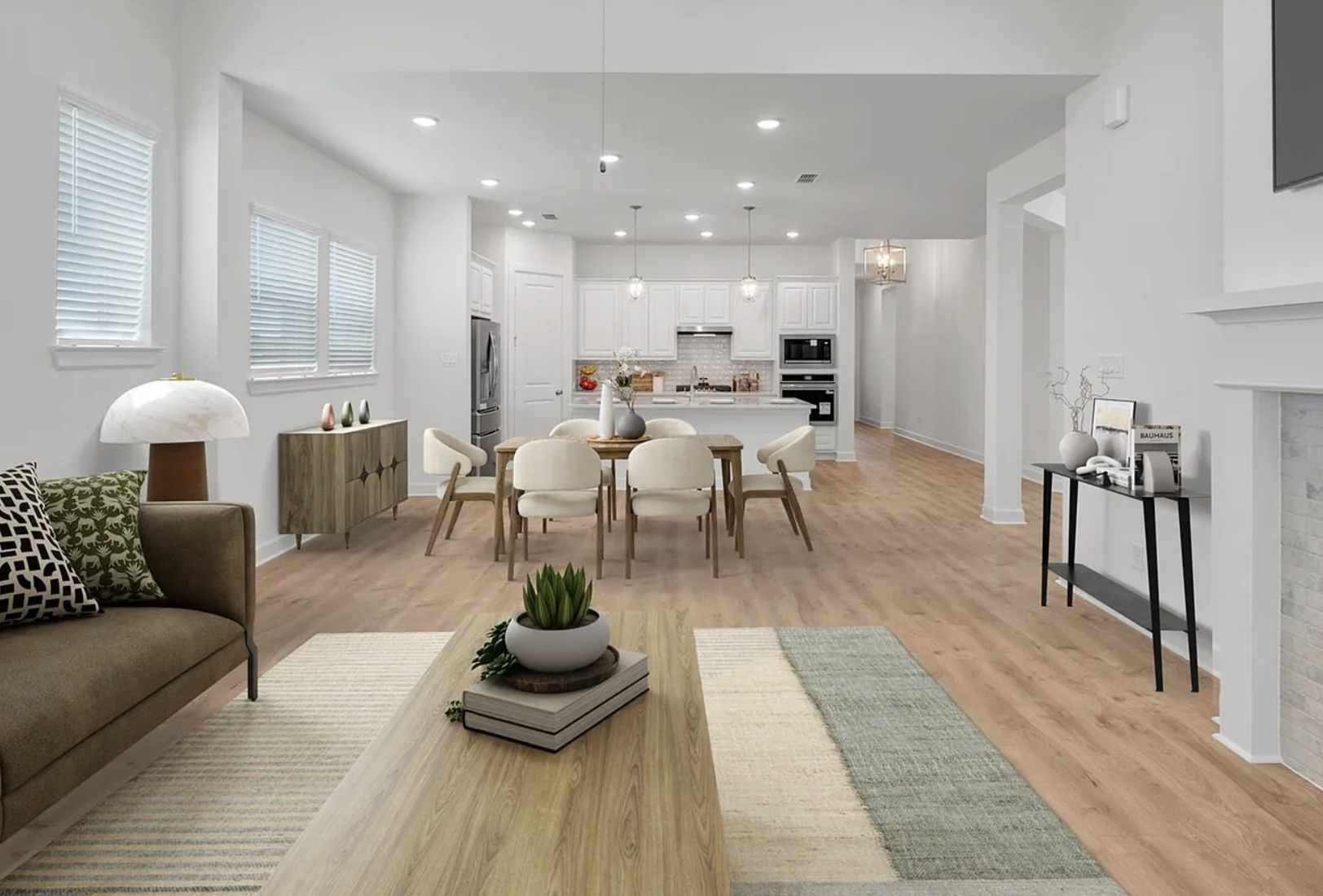
Both new construction and resale homes can make sense in Katy, depending on your goals, budget, timeline, and location priorities. New construction may offer current floor plans, builder warranties, and a clear path for buyers who want a newer home, but buyers still need to review tax rates, builder contracts, inspection rights, HOA documents, estimated completion dates, and lot placement.
Resale homes may offer established locations, completed landscaping, window coverings, mature trees, or a clearer sense of nearby traffic patterns. Buyers should review the age of major systems, inspection findings, seller disclosures, and comparable sales. Neither option is automatically better. The right fit depends on the full picture.
How Should You Compare Katy Neighborhoods?
The best way to compare Katy neighborhoods is to start with your day-to-day life and then match the home search to those needs. Instead of choosing based only on photos, buyers should compare commute routes, home layout, taxes, HOA rules, nearby amenities, future area plans, and resale patterns.
For upsizers, the priority may be more room to gather, better storage, a flexible room for work or guests, or outdoor space that fits how they live.
For rightsizers, the priority may be a simpler layout, less upkeep, first-floor living, or easier access to services.
For relocators, the priority may be understanding the area before making a long-term decision.
A calm comparison process can reduce stress and help buyers feel more prepared.
What Mistakes Should Katy Buyers Avoid?
The biggest mistake Katy buyers make is moving too quickly without checking the details that affect cost, comfort, and daily life. A home may look right at first, but buyers still need to understand taxes, HOA rules, commute patterns, flood research, insurance, school zoning, and resale factors.
Try to avoid shopping without a clear budget, comparing homes without reviewing tax rates, assuming every Katy address has the same services, skipping flood map research, overlooking HOA rules, forgetting to test commute routes, relying only on listing photos, or waiting too long to ask questions.
Internal link placement: Add your blog “How Much Is My Home Worth in Katy, Texas?” here if you want to connect this buyer article to homeowners who may need to sell before buying. Use anchor text: how much your Katy, Texas home may be worth.
Buying a home is a major decision. Taking time to review the facts can make the process feel more manageable.
How Can a Local Realtor Help You Move to Katy?

Emilie Hamby Irvine Texas Providence Real Estate Katy Texas Realtor.
A local Realtor can help you compare homes, communities, costs, contracts, and property details with more clarity. The goal is not to rush the process. The goal is to help you make a confident decision with the right information in front of you.
Emilie Hamby Irvine a licensed Texas REALTOR® since June 2002, with new-home sales experience dating back to 1995 and works with buyers and sellers across Katy, Fulshear, Weston Lakes, San Antonio, Boerne, the Texas Hill Country, and the Houston metro. Her approach is calm, relationship-driven, and focused on helping clients make thoughtful moves during important life transitions.
How to Sell Your Home in Katy Texas for Top Dollar.
If you are feeling unsure about where to begin, you do not have to sort through it alone.
Final Thoughts on Moving to Katy, Texas in 2026
Moving to Katy, Texas in 2026 can be a strong option for buyers who want access to the Houston metro, local amenities, and a range of housing choices. The most important step is choosing based on your real priorities, not pressure.
Before you buy, take time to understand the area, compare costs, verify school zoning, study commute routes, review flood information, and think carefully about how the home will work for you over time.
Feeling unsure about where to start? Let’s talk through your goals and find the right fit together.

Call Emilie Hamby Irvine at
+1 832-731-3124 or email emiliehi@texaspre.com
to begin your Katy home search with calm, experienced guidance.
FAQs About Moving to Katy, Texas
Is Katy, Texas a good place to move in 2026?
Katy, Texas may be a good fit in 2026 for buyers who want access to the Houston metro, local amenities, public parks, major roads, and a range of housing options. The best decision depends on your budget, commute, preferred layout, tax comfort, and long-term plans. Katy is located west of Houston and serves as a hub for Harris, Fort Bend, and Waller counties, according to the City of Katy. Buyers should compare the City of Katy and Greater Katy carefully before choosing a home.
Should You Buy a Home in Katy, Texas in 2026?
What should I know before buying a home in Katy, Texas?
Before buying a home in Katy, Texas, you should review property taxes, HOA rules, MUD costs, school zoning, flood information, commute routes, insurance needs, and resale factors. These details can change from one property to another, even when both homes have a Katy address. Buyers can start flood research with FEMA’s flood maps page, and they can review official flood map products through FEMA’s Map Service Center. A careful review up front can help reduce surprises after contract or closing.
Is Katy the same as Greater Katy?
No, Katy and Greater Katy are not always the same thing. The City of Katy is a defined municipality, while Greater Katy can include surrounding areas and communities across Harris, Fort Bend, and Waller counties. The Katy Area Economic Development Council provides Greater Katy area information here. This matters because taxes, services, school zoning, utilities, and HOA rules may vary by location.
What roads should Katy buyers consider when planning a commute?
Katy buyers should consider I-10, TX 99, US 90, Westpark Tollway, and Katy Tollway when planning a commute. The Katy Area Economic Development Council lists I-10, US 90, TX 99, Westpark Tollway, and Katy Tollway as major roadways serving the area. These routes can affect access to Houston, nearby employment centers, airports, medical services, and other parts of the metro area. Buyers should test commute routes during their actual travel times before choosing a home.
Should I buy new construction in Katy, Texas?
New construction in Katy can be a good fit for some buyers, but it should be reviewed carefully before signing a contract. Buyers should look at builder terms, inspection options, tax rates, HOA fees, completion timelines, lot placement, and future development nearby. Resale homes may offer different benefits, such as established locations, completed outdoor areas, and a clearer sense of the surrounding setting. The better choice depends on your budget, timeline, lifestyle needs, and comfort with the building process.
How do I check flood risk before buying in Katy?
You can start by checking FEMA’s Map Service Center and reviewing the property’s flood zone by address. FEMA explains that flood maps are one tool communities use to understand which areas have the highest risk of flooding. FloodSmart also explains that flood zones can affect whether flood insurance is required for properties with certain government-backed mortgages. Buyers should also review seller disclosures, insurance quotes, drainage patterns, inspection findings, and any available property history.
What should buyers know about Katy ISD before choosing a home?
Buyers should verify Katy ISD school zoning directly with the district before purchasing. NCES lists Katy ISD with 96,111 students and 6,913.36 classroom teachers for the 2024-2025 school year. Katy ISD’s 2025-2026 official budget states that state revenues are based on projected enrollment of 97,161 students. School boundaries can change, so buyers should confirm current assignments directly instead of relying only on listing sites.
What disclosures should I review before buying a home in Katy?
Buyers should review the Texas Seller’s Disclosure Notice when it applies. The Texas Real Estate Commission states that the form contains information required by Section 5.008 of the Texas Property Code regarding material facts and the physical condition of the property. This document can help buyers understand known property conditions, but it should not replace inspections or independent due diligence. Buyers should ask questions, review inspection reports, and seek guidance when something is unclear.
Who can help me move to Katy, Texas?
Emilie Hamby Irvine can help buyers and sellers think through a move to Katy, Texas with calm, experienced guidance. She serves Katy, Fulshear, Weston Lakes, San Antonio, Boerne, the Texas Hill Country, and the Houston metro. Her approach is centered on listening first, explaining the details clearly, and helping clients make decisions that fit their next chapter. If you are relocating, upsizing, or rightsizing, Emilie can help you compare homes, areas, and next steps with more confidence.