Understanding Your Home Value in Texas Hill Country

How to Understand What Your Home is Really Worth in Texas Hill Country
When it comes to selling or refinancing a home, few topics matter more than understanding your home value. In Texas Hill Country, where each property has its own story and landscape, determining what your home is truly worth takes more than an online estimate. It takes insight, expertise, and local context.
According to the Texas Real Estate Research Center, home prices across the Hill Country have continued to rise steadily, but that doesn’t mean every property follows the same trend. From Boerne to Fredericksburg, a home’s value depends on a delicate mix of location, amenities, condition, and community appeal.
As an AI Certified Agent™ serving the Texas Hill Country, I help homeowners see their property’s worth through a personalized, data-informed lens, not just a formula.
“Understanding your home’s value isn’t about numbers alone—it’s about recognizing the story your property tells in the market.” — Emilie Hamby Irvine
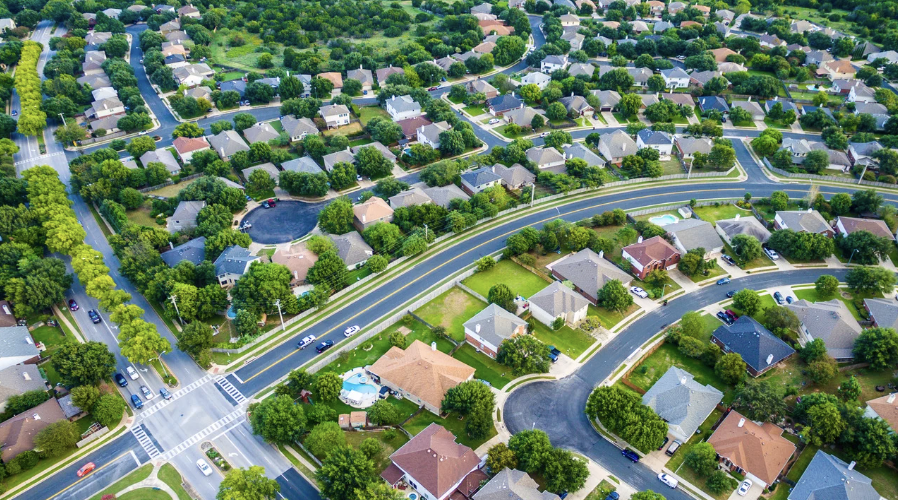
What does “home value” really mean in Texas Hill Country?
Your home’s value isn’t just a number; it’s a reflection of what buyers are willing to pay in today’s market. There are three main types of value you’ll hear about:
Appraised Value: Determined by a licensed appraiser, usually for lending or refinancing purposes.
Market Value: The price a buyer would reasonably pay based on local sales and competition.
Assessed Value: Used by local governments to calculate property taxes.
In Hill Country communities like Boerne and Comfort, market value often runs higher than assessed value due to scenic locations and lifestyle demand. The blend of small-town charm and modern living attracts buyers from across Texas and beyond.
How is home value determined in Hill Country communities like Boerne and Fredericksburg?
In Texas Hill Country, appraisers and agents use a mix of comparative market analysis (CMA) and local insight to assess value. This means comparing your home to similar recent sales but also factoring in the unique features Hill Country homes often have, like:
Acreage or usable land
Views of rolling hills or creek access
Proximity to historic districts or wineries
Custom architecture and finishes
Online algorithms rarely account for these details, which is why working with a local agent who understands the terrain and buyer psychology makes such a difference.
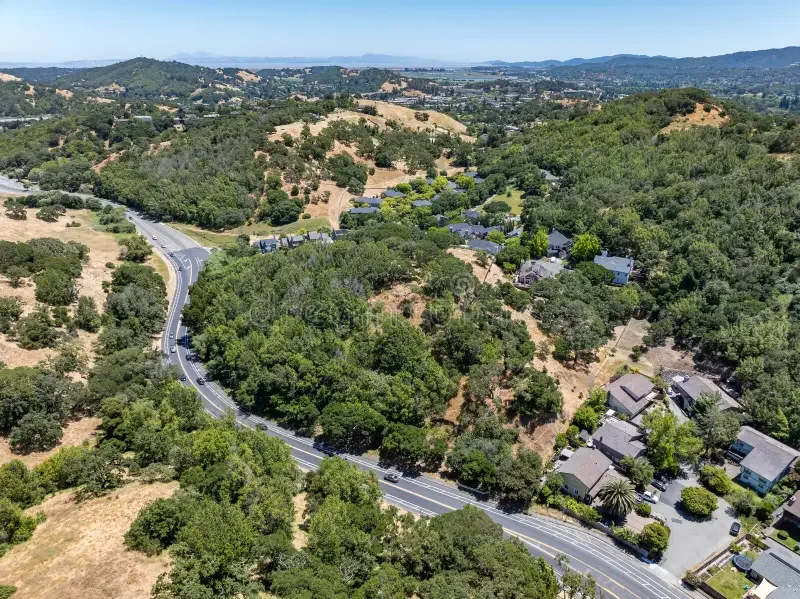
What factors affect your home’s value most in Hill Country?
The Hill Country market rewards properties that balance location, lifestyle, and condition. Here are the biggest influences:
Location: Proximity to Boerne schools, San Antonio access, or local dining can raise value.
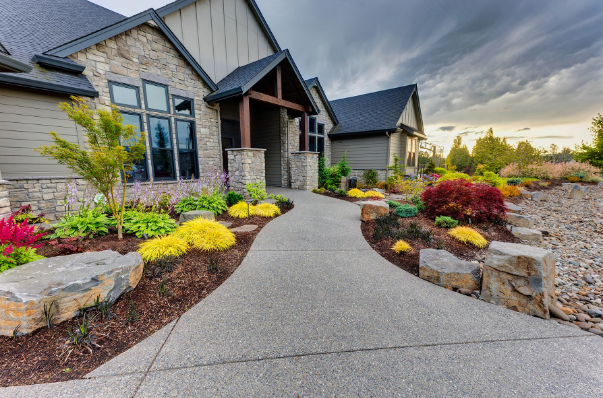
Curb Appeal: Homes with native landscaping and outdoor living spaces often appraise higher.
Land Size: Acreage is king in the Hill Country, but usable, cleared space matters more than raw land.
Upgrades: Kitchen and bathroom remodels, fresh paint, and new roofing deliver strong returns.
Market Timing: Listing in spring or early summer can capture relocating buyers.
According to Zillow Research, presentation alone can add up to 5% in perceived home value. In a region where lifestyle matters as much as structure, presentation truly pays.
Can you estimate your home value on your own, and should you?
Yes, you can get a rough estimate using online tools, but Hill Country properties don’t fit a one-size-fits-all model. Zillow and Redfin estimates use statewide data, not local specifics. A ranch-style home on five acres in Comfort can’t be compared directly to a craftsman in downtown Boerne.

If you’re just curious, these tools are a starting point. But if you’re preparing to sell or refinance, a personalized valuation from a trusted local agent will give you a much clearer picture.
When is the right time to get a professional valuation in Texas Hill Country?
The best time is when you’re thinking of making a change, whether it’s selling, refinancing, or just staying informed. Market conditions can shift quickly. For example, Hill Country homes tend to sell faster in spring and early summer, when relocation activity peaks.
A professional valuation offers peace of mind. It helps you set realistic expectations and make confident financial decisions, especially if you’re planning upgrades or considering a move.
How does working with an AI Certified Agent improve accuracy?
As an AI Certified Agent™, I use advanced tools that analyze market trends, buyer behavior, and neighborhood data in real time. But I don’t rely on technology alone, I combine these insights with my personal experience walking properties across the Hill Country.
AI can:
Identify the most active buyer demographics for your area.
Compare pricing patterns faster and more precisely.
Enhance marketing reach once your home is listed.
“Technology can show us the data, but experience interprets what the numbers truly mean.”
What should you do before scheduling a home valuation?
To make sure you get the most accurate result:
Tidy and declutter interior spaces.
Handle small repairs like leaky faucets or chipped paint.
Provide your agent with any upgrades or improvements made since purchase.
Prepare HOA or land documentation if applicable.
Small efforts can make a big difference in how an appraiser or agent perceives your property.

How often should you recheck your home value in a changing Hill Country market?
In today’s dynamic real estate landscape, it’s wise to reassess your home’s value at least once a year. Even if you’re not planning to sell, understanding your equity position helps with long-term planning and tax decisions.
Many Hill Country homeowners are surprised to learn how much equity they’ve gained simply by holding property in such a desirable area.
Conclusion
Understanding your home value in Texas Hill Country means more than crunching numbers. It’s about recognizing what makes your property special and how that translates into market appeal.
With my background as an AI Certified Agent™ and deep local experience, I help homeowners bridge the gap between data and real-world insight, ensuring you always know where you stand.
The Hill Country isn’t just a place—it’s a way of life. Knowing your home’s value means understanding your place in that story.
Ready to discover your home’s true value?
📲 Call Emilie at 832-731-3124 or email emiliehi@texaspre.com for your personalized Hill Country home value review.
No pressure, just clarity and expert insight.
Frequently Asked Questions
Q: How accurate are online home value estimates in Texas Hill Country?
A: Online home value estimates are often inaccurate because they rely on algorithms using generalized data from across Texas. These systems can miss key factors like land slope, view, or recent upgrades. According to Redfin, online tools can vary by up to 10% from true market value. A local agent’s evaluation considers these nuances for a more realistic figure.
Q: What’s the difference between appraised value and market value?
A: Appraised value is determined by a certified appraiser for lending or tax purposes, while market value represents what buyers are currently willing to pay. The National Association of Realtors reports that market value can often exceed appraisal in high-demand areas like Texas Hill Country. That’s because buyer demand, not just past sales, plays a major role.
Q: Do upgrades and renovations increase your home value here?
A: Yes, especially when updates enhance outdoor living or functional areas like kitchens and bathrooms. According to Remodeling Magazine, minor kitchen remodels and exterior improvements can recoup up to 80% of costs in resale value. In Hill Country, outdoor upgrades like decks or patios also perform exceptionally well.
Q: When is the best time of year to sell in Hill Country?
A: The ideal time is spring through early summer, when relocation and tourism traffic are highest. Data from the Texas Real Estate Research Center shows listings between March and July close faster and often command higher offers. Families and retirees alike are most active during this season.
Q: How can I find out what my home is worth without listing it?
A: Reach out for a personalized home value review from a local expert. Many agents, including myself, offer this service at no cost or obligation. The advantage is that your valuation will be tailored to your home’s land size, view, and community appeal rather than a generic estimate.
Categories
Boerne Real Estate Market, Texas Hill Country Real Estate Insights
Tags
Hill Country Real Estate, Relocating to Boerne, Upsizing in Hill Country, Downsizing in Texas, Sell Home in Boerne, Texas Home Appraisal, Emilie Hamby Irvine, Boerne Real Estate Agent, Home Value Hill Country, AI Certified Agent Texas, Emilie Hamby Irvine Realtor, Best Real Estate Agent in Boerne, Home Value in Texas Hill Country, AICertifiedAgent, BoerneLiving, BoerneMarketUpdate, HillCountryLife, Local Living, Market Insights, market insights for homebuyers, market trends, MoveToBoerne, moving and relocation, PriceTrends, real estate blog Texas, Real Estate Finance, real estate news, seller guide, should I buy a house now, Smart Home Buying Decisions, Smart Money Moves, SOW, TexasEconomy, Texas Hill Country homes, TexasHillCountryHomes, Texas housing market, Texas Housing Trends, TexasProvidenceRealEstate, TexasRealEstate, Texas Real Estate, Texas real estate market