Why Are Texas Property Taxes So High?

Why are Texas property taxes so high? Texas property taxes can feel high because they are set and collected locally, they help fund schools and local services, and the bill is based on both your property value and the tax rates adopted by local taxing units.
Texas does not have a state property tax. The Texas Comptroller explains that local governments set tax rates and collect property taxes to help pay for services such as schools, streets, roads, police, fire protection, and other local needs.
That means your property tax bill is not controlled by one single office. It is affected by your county appraisal district, school district, city, county, utility district, special districts, and any other local taxing units tied to that property.
For Texas buyers and homeowners, this matters because the purchase price is only one part of affordability. Your monthly payment may also include property taxes, insurance, HOA dues, utilities, and maintenance. In markets like San Antonio, Boerne, Fulshear, Katy, and the Texas Hill Country, two homes with similar prices can have very different tax bills depending on where they sit.
I’m Emilie Hamby Irvine with Texas Providence Real Estate. I help homeowners and buyers across San Antonio, Boerne, the Texas Hill Country, Fulshear, Katy, and the greater Houston area understand the full picture before they buy, sell, downsize, rightsize, or make their next move in Texas.
Here is what homeowners and buyers should know.
If you are trying to sell and buy at the same time, property taxes should be part of the full monthly-payment conversation, not an afterthought: Selling and Buying a Home at the Same Time in Texas
Who Sets Texas Property Taxes?
Texas property taxes are set locally, not by the state.
The Texas Comptroller states that Texas has no state property tax and that the Comptroller’s office does not collect property tax or set tax rates. Local taxing units do that.
This is one of the biggest reasons property taxes can feel confusing. Your appraisal district determines the value of your property, but local taxing units set the tax rates. Those taxing units may include a school district, county, city, municipal utility district, emergency services district, hospital district, junior college district, or other local district.
That is why a home in one neighborhood may have a different tax burden than a similar home a few miles away. A buyer looking in Fulshear, Katy, Boerne, San Antonio, or the Hill Country should not assume the tax bill will be the same just because the home price is similar.
When I help a buyer compare homes, I want them to look beyond the list price. A lower purchase price does not always mean a lower monthly payment if the tax rate, insurance cost, HOA fee, or district assessments are higher.
Why Do Property Taxes Vary So Much by Area?
Add this short video block:
Watch More: Why the Full Cost Matters
Before you buy or sell in Texas, it helps to look beyond the list price. Taxes, insurance, HOA fees, and monthly payment can all affect the real cost of owning a home.
Why Do Property Taxes Vary So Much by Area?
Property taxes vary because every property can be tied to a different mix of local taxing units.
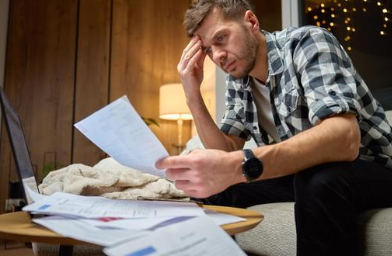
This is why Texas property taxes can feel very different from one county, city, subdivision, or school district to another. One home may be inside city limits. Another may be outside city limits but inside a municipal utility district. One neighborhood may have a higher combined tax rate because of local infrastructure, while another may have a lower rate but a higher home value.
The Texas.gov property tax transparency site explains that property tax estimates come from local appraisal districts and local taxing units. It also allows taxpayers to review how proposed tax rates may affect estimated taxes in their county.
For buyers, this is important before making an offer. For sellers, it matters because buyers often compare total monthly payment, not just the sales price.
A buyer may love a home but hesitate if the estimated tax bill pushes the monthly payment too high. That is especially true when mortgage rates, insurance costs, and HOA dues are also part of the decision.
If you are comparing homes in Fulshear, remember that price is only one part of the decision. Property taxes, insurance, HOA fees, and monthly payment all matter. Read more: Your Complete Guide to Buying a Home in Fulshear, Texas Today
For sellers, this is another reason pricing and positioning matter. If your home has a higher tax burden than nearby alternatives, the marketing and pricing strategy should account for how buyers may compare the full cost of ownership.
Do Rising Home Values Make Texas Property Taxes Higher?
Yes, rising home values can increase property taxes, but the final bill also depends on exemptions and local tax rates.
Your tax bill is not based only on what you paid for the home. It is tied to the value placed on the property for tax purposes and the rates set by local taxing units.
The Texas Comptroller explains that Texas law requires property values used in determining taxes to be equal and uniform. Local appraisal districts are responsible for appraising property, while local taxing units adopt tax rates.
For homeowners, this means your property value notice matters. If your appraised value increases, your tax bill may increase, even if the tax rate stays the same. If local tax rates increase, your bill may also increase, even if the value does not rise much.
There is some protection for qualified homesteads. The Texas Comptroller states that the appraised value of a residence homestead that qualified for exemptions in the preceding and current year may not increase more than 10 percent per year, not including the market value of new improvements.
That 10 percent cap can help, but it does not mean taxes cannot go up. It also does not automatically apply the same way to every property. Buyers should also understand that after a purchase, the taxable value and exemptions may change from the prior owner’s situation.
This is why I always encourage buyers to review estimated taxes carefully and not rely only on the seller’s current tax bill.
How Does the Texas Homestead Exemption Help?
A Texas homestead exemption can reduce the taxable value of a primary residence, which may lower the property tax bill.
The Texas Comptroller explains that a general residence homestead exemption removes part of a home’s value from taxation. For school district taxes, Texas Tax Code Section 11.13(b) requires school districts to provide a $140,000 exemption on a residence homestead.
That can make a meaningful difference for homeowners, especially when values have increased. The Comptroller also notes that some taxing units may adopt a local option residence homestead exemption of up to 20 percent of a property’s appraised value, subject to minimums.
For homeowners age 65 or older or disabled, additional exemptions may apply. The Comptroller states that school districts must provide an additional $60,000 residence homestead exemption for qualifying homeowners age 65 or older or disabled.
The key is that homeowners need to make sure the correct exemptions are in place. If you recently bought a home, inherited a property, changed ownership, moved into a new primary residence, or are not sure what exemptions are applied, it is worth checking with your local appraisal district.
For buyers, the homestead exemption is part of the long-term affordability conversation. For sellers, it is important to remember that the buyer’s future tax situation may not match the seller’s current bill.
Can You Protest Your Texas Property Value?

Yes, Texas property owners can protest their appraised value if they believe it is incorrect.
The Texas Comptroller says the usual protest filing deadline is May 15 or 30 days after the appraisal district mails the notice of appraised value, whichever is later.
A protest is not a complaint about wanting lower taxes in general. It is a challenge to the value or other issues related to how the property was appraised. A homeowner may review comparable sales, property condition, errors in property details, unequal appraisal concerns, or other evidence that supports the protest.
This is where a real estate review can be helpful. A Realtor cannot give tax or legal advice, but current comparable sales, market activity, property condition, and neighborhood data can help a homeowner understand whether the appraised value seems reasonable compared with the market.
If you are thinking about selling, a value review can also help you understand the difference between market value, appraised value, taxable value, and what buyers may actually be willing to pay.
Those numbers are related, but they are not always the same.
The Bottom Line for Texas Homeowners and Buyers
Texas property taxes feel high because they are tied to local funding, local tax rates, property values, school districts, special districts, and the total cost of maintaining local services.
For buyers, the lesson is simple: do not shop by price alone. Look at the full monthly payment, including taxes, insurance, HOA fees, utilities, and maintenance.
For homeowners, it is important to review your appraisal notice, check your exemptions, understand your local taxing units, and know the protest deadline.
For sellers, remember that buyers are comparing total affordability. A strong pricing and marketing plan should help buyers understand the full value of the property, not only the asking price.
As an A.I. Certified Agent, I use market data, local knowledge, organized property review, and real-world real estate experience to help clients understand the numbers before they make a decision. Technology can help organize the research, but local guidance and human judgment still matter most.
If you are buying, selling, downsizing, rightsizing, or trying to understand your home’s value in Texas, let’s look at the full picture together.

Emilie Hamby Irvine
Texas Providence Real Estate
Guiding You Home, Texas Style
Phone: +1 832-731-3124
Email: emiliehi@texaspre.com
Website: https://www.texaspre.com
FAQs About Texas Property Taxes
Why are Texas property taxes so high?
Texas property taxes can feel high because local governments rely on them to fund schools, roads, police, fire protection, and other services. Texas does not have a state property tax, so property taxes are locally assessed and locally administered.
Your bill depends on your property value, exemptions, and the tax rates adopted by local taxing units.
Does Texas have a state property tax?
No. Texas does not have a state property tax. The Texas Comptroller says the state does not collect property tax or set tax rates. Local taxing units set rates and collect taxes.
This is why property taxes can vary widely depending on the city, county, school district, and special districts tied to a property.
What is the Texas homestead exemption?
The Texas homestead exemption reduces the taxable value of a primary residence. The Texas Comptroller states that school districts are required to provide a $140,000 exemption on a residence homestead.
Some homeowners may also qualify for additional exemptions, such as age 65 or older, disability, disabled veteran, or other exemptions.
Can my Texas property value increase more than 10 percent?
For a qualifying residence homestead, the appraised value generally may not increase more than 10 percent per year, not including new improvements.
That cap applies to qualifying homesteads, but it does not mean your tax bill can never increase. Local tax rates and other factors still matter.
When is the deadline to protest property taxes in Texas?
The usual protest deadline is May 15 or 30 days after the appraisal district mails the notice of appraised value, whichever is later.
Property owners should confirm deadlines with their local appraisal district because timing matters.
Texas property taxes can feel confusing, but they are easier to understand when you know what affects them.
Home value, school district, city, county, special districts, exemptions, and local tax rates can all impact the final bill.